4 healthy foods for nursing mothers

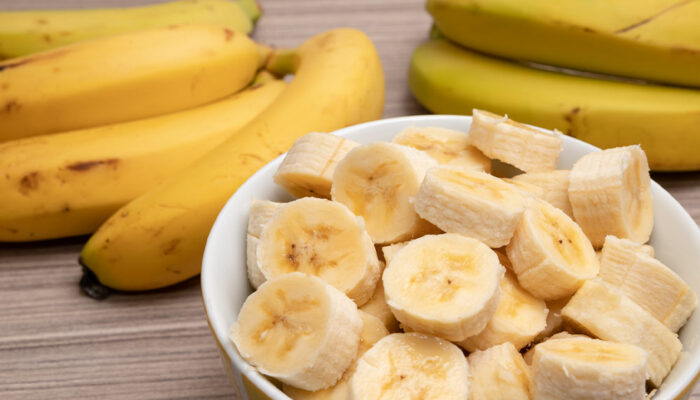
Mothers who have recently delivered babies don’t have sufficient nutrition due to the loss of blood and lactation. As a result, they have to carefully choose foods that are rich in calcium, carbohydrate, unsaturated fat, iron, folic acid, protein, and vitamins B6, B12, C, and D. Thankfully, healthy foods and supplements can help them regain strength and supply breastmilk to their newborns. The top four superfoods that can help nursing mothers include: Bananas Bananas are less expensive, available throughout the year, and considered a superfood for nursing moms. They are rich in nutrients, healthy carbs, vitamin B, antioxidants, and phytonutrients. Bananas are also abundant in potassium, calcium, and pectin, a source of energy. Experts claim that having a banana every day can help moms regain the energy they need to take care of the baby and breastfeed. Potassium is crucial for maintaining fluid balance in the mother’s body and aids in the rampant transmission of nerve impulses.  Bananas can also aid in regulating blood pressure. It can prevent constipation, aid in regular bowel movements, and promote healthy gut bacteria. These fruits can provide about 1/4th of the vitamin B6 required for nursing moms, which is crucial for hemoglobin production and fighting antibodies. However, avoid bananas if you have allergies, a bout of cough and cold, or diabetes. Mothers can eat bananas after any meal or even add them to smoothies or pancakes as part of a meal. Fatty fish Fatty fish are naturally rich in vitamin B12, omega-3 fatty acids, and vitamin D. Fish like salmon and sardines are one of the few food sources of vitamin D, which is essential for mothers and their infants. A deficiency of vitamin D in infants, though uncommon now, can lead to weak and deformed bones. These fish also contain DHA, a type of omega-3 fatty acid essential for an infant’s brain and heart development.
Read More
4 healthy foods for nursing mothers

6 toxic plants to keep away from dogs

It has become the norm to keep ornamental at home, especially since they beautify the space tremendously. But, if you are a pet parent, you must exercise caution in picking the potted plants you want. While some plants can cause vomiting or dysentery, a few can cause respiratory, digestive, neurological, or cardiac problems, leading to death. If you have become a pet parent recently, here are six plants toxic to dogs to note: 6 plants that dog parents must take note of Sago palm Sago palm is a very popular ornamental plant for indoor and outdoor spaces. It is known by many names like coontie palms or cardboard palms and is part of the Cycads group of plants. It contains multiple toxins, including cycasin and BMAA. Every part of the sago palm is toxic for your dogs, and the seeds can be the most dangerous. If a dog ingests even a small amount of any part of a sago palm plant, it can affect its nervous system, liver, or gastrointestinal system. You may see symptoms within 15 minutes or many hours. The most common reaction is gastrointestinal irritation, with initial symptoms like drooling, vomiting, and diarrhea. It can also lead to serious complications like neurological problems, resulting in weakness, seizures, and tremors. If your dog has accidentally ingested any part of this plant, it is imperative to visit the vet immediately and begin an aggressive treatment and decontamination process. Castor bean plant The castor bean plant is a pretty-looking wild plant; the oil from its seeds is used as a remedy for constipation. Some also use it as an outdoor decor plant. However, if you are a dog parent, you should avoid having it in your home, as the castor bean is quite toxic to dogs. Dogs tend to get attracted to the pods and relish the bean, which contains ricin, a lethal toxin.
Read More
6 toxic plants to keep away from dogs

6 human foods that cats can safely eat

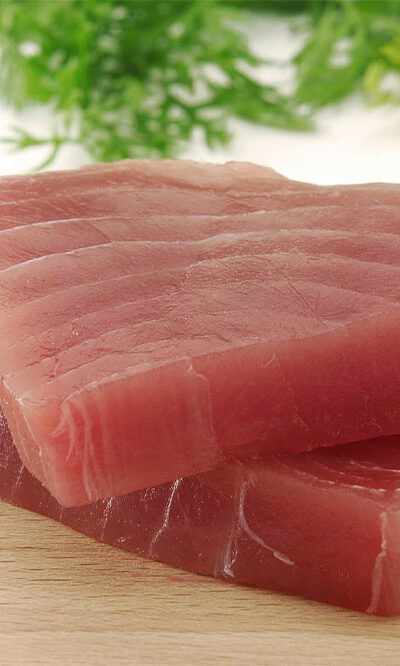
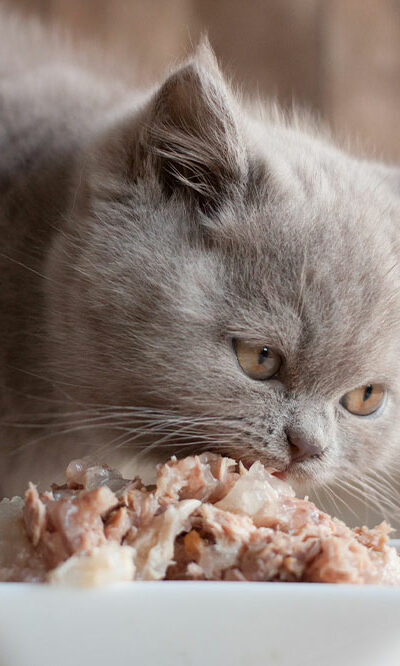
Cats are picky eaters, but they may jump with glee if you share a titbit from your plate. Felines love variety in food, and you can share some of your food if it is nutritious and non-toxic. Moderation is the key when you feed human food to your cat so that it does not cause any allergies or digestive issues. Here is a list of six human foods that are safe for your cats: Eggs Small quantities of cooked eggs are good for cats. You can set aside a tablespoon of scrambled egg or a piece of a boiled egg while you cook some for yourself. Don’t season it, add any oil or butter, or  feed raw eggs or yolks. Eggs contain a protein called Avidin that may prevent the absorption of Vitamin B. Raw eggs could contain Salmonella, a bacteria that can infect the GI tract of both cats and humans. Severe infection may lead to death in cats, while humans may need hospitalization. Vegetables Cats are carnivores and are partial to meat; a non-meat diet may not excite them as much. However, you can feed small portions of a few vegetables that can supply your cat’s fiber, protein, and nutrition requirements. Remember to cook the vegetables before feeding them. Pumpkin, squashes, zucchini, lettuce, green beans, broccoli, carrots, and peas are safe vegetables for your cat. Ideally, you can boil or steam them and serve them without adding seasoning. Avoid sharing portions of raw or uncooked salads from your plate. Meat Most cat food contains some protein as meat is crucial for their eyes, heart, and reproductive system. If you want to feed them meat you cook for yourself or your family, ensure it is cooked well. Avoid seasoned meat, or don’t feed them pieces of meat from gravies or curries.
Read More
6 human foods that cats can safely eat

Top Categories

LATEST Articles

12 mistakes to avoid while on a cruise

12 mistakes to avoid while on a cruise

Spending a holiday on a cruise ship is a novel experience that every traveler should try at least once. A cozy room, delicious buffets for each cuisine, and hype nightlife can be enjoyed while sailing across beautiful ocean waters. Apart from the perks offered by a liner, not indulging in certain things when you are on board is imperative. If you’re embarking on such a vacation for the first time, avoid these mistakes: Entering restricted zones Several quarters on a cruise vessel are marked as dangerous or off-limits. These areas might house equipment and other elements that ensure the ship’s safety. Without appropriate approval from the staff, entering such restricted sections will land you in quite a bit of trouble. Sleeping in all day The parties on a cruise can be a lot of fun, but the activities conducted during the day are equally good. As comfortable as your room may be, spend some time exploring the rest of the ship while the sun shines. Take a dip in the pool, get a tan, and make the most of the time spent on the vessel. Not using sunscreen If you sunbathe by the pool or on the beach at a docking port, don’t forget to apply sunscreen. Forgetting to bring or use one while getting a tan will cause sunburns. And nobody wants to get sunburnt, especially when they’re on vacation. Reserving deck chairs before arriving A few passengers have the habit of reserving deck chairs with towels or swimming equipment for friends or family members. At the same time, those who are already on deck may not find any chairs despite being there. To not inconvenience others, refrain from reserving a chair to accommodate other fellow passengers. Not socializing Many solo travelers feel that a cruise is exclusively for family vacations.
Read More
Effective tips that help manage asthma symptoms

Effective tips that help manage asthma symptoms

Asthma is characterized by respiratory problems that cause narrowing and swelling of the airways, making breathing feel labored. Chest pain, shortness of breath, wheezing, and irregular sleeping patterns are common symptoms. The cold and cough mainly trigger attacks, which cause excess mucus formation. According to the WHO, around 262 million people in 2019 were affected by asthma. This article shares the effective treatment options, meal plans, lifestyle changes, and tips to manage asthma: Treatment options The symptoms of asthma can be managed with the help of effective treatment options, such as Tezepelumab This treatment option is a human monoclonal antibody that blocks the activity of thymic stromal lymphopoietin (TSLP), a cytokine responsible for the inflammatory response. Tezepelumab is known to reduce annualized asthma exacerbation rate in severe asthmatic patients. FASENRA Severe cases of eosinophilic asthma are treated with this prescribed option. FASENRA targets the eosinophils, which helps patients breathe easier and reduces the frequency of asthma attacks. NUCALA NUCALA contains mepolizumab, an intravenously administered treatment for patients with severe eosinophilic asthma. This prescription targets the eosinophils in the bloodstream that are responsible for causing flare-ups. XOLAIR® This prescription option works against Immunoglobulin E (IgE), which is the main culprit of allergic reactions that trigger asthma. XOLAIR is used for moderate to severe asthma in people six years or above. ZYRTEC ® ZYRTEC helps stop the immune response to allergy triggers, and it’s used for treating mild to moderate asthma. This option provides relief from symptoms like watery eyes, runny nose, sneezing, and itchy nose or throat. Foods to eat Any illness is fought with a combination of treatment options and a healthy food regime. In this case, we must focus on foods that enhance the function of the lungs. Spinach, lettuce, radish, parsley, rocket, and beetroot are all high in nitrate, which helps optimize the function of the lungs.
Read More